7 Tips on What Materials Are Safest for Cooking Appliances?

Time:2026-10-09 Author:Amelia
0%

Choosing the right pan, heating element, or countertop surface is not merely a design decision. It can affect durability, cleaning, food contact, and long-term household safety. Many readers ask, “what materials are safest for cooking appliances?” The honest answer depends on temperature, surface damage, maintenance, and the appliance’s intended use.

Regulatory guidance offers a useful starting point. The U.S. Food and Drug Administration’s Food Code 2022 emphasizes cleanable, corrosion-resistant, and non-toxic food-contact surfaces. NSF/ANSI 51 also addresses materials used in commercial food equipment, including surface finishes and sanitation requirements. These standards favor stainless steel, properly manufactured glass, and certified food-contact coatings when used correctly. Materials matter.

Scientific reviews add necessary caution. In its 2023 reassessment of bisphenol A, the European Food Safety Authority identified potential health concerns from dietary exposure. This does not mean every plastic appliance is unsafe. It means temperature, chemical migration, product quality, and repeated use deserve closer attention. A scratched coating, overheated plastic handle, or chipped enamel can change the risk profile.

This guide examines seven practical tips for choosing safer appliance materials. It compares stainless steel, glass, ceramic, cast iron, aluminum, silicone, and coated surfaces. The focus stays on evidence, certification, heat limits, and real kitchen habits. Some recommendations remain imperfect because manufacturers do not always disclose complete material specifications. Check labels carefully. When doubt remains, choose a certified product with clear care instructions and replace visibly damaged parts.
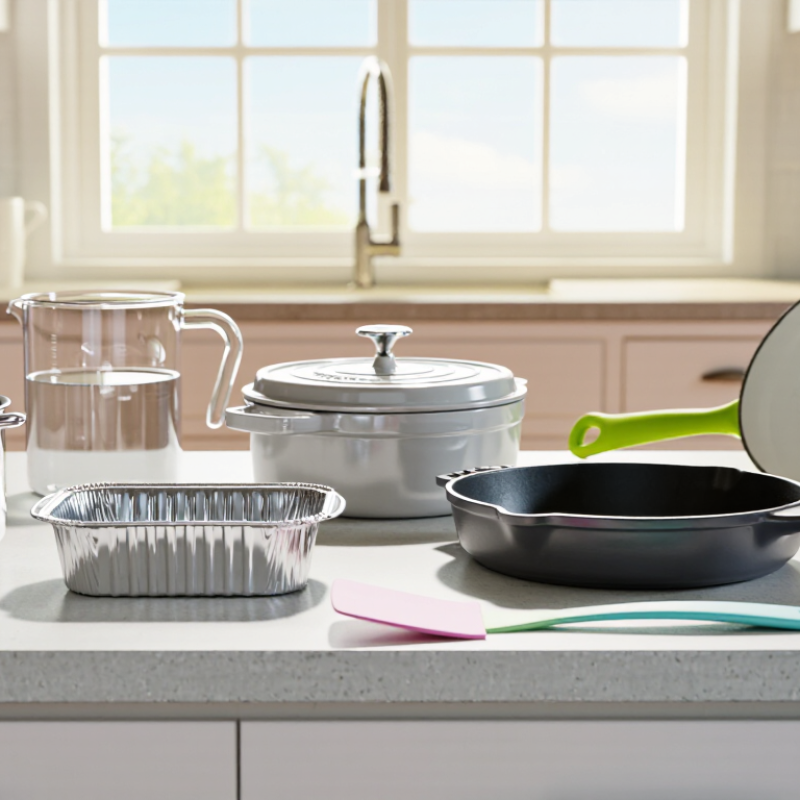
7 Tips on What Materials Are Safest for Cooking Appliances?

Understanding Material Safety in Cooking Appliances

7 Tips on What Materials Are Safest for Cooking Appliances?

Understanding Material Safety in Cooking Appliances

Tip 1: Match the material to the heat.

Stainless steel handles high temperatures and resists rust when properly maintained. Glass allows easy inspection, but sudden temperature changes can cause cracking. Cast iron retains heat well, although moisture may encourage rust without drying and seasoning.

Tip 2: Inspect every surface.

A chipped coating, deep scratch, or loose seal deserves attention. I once thought a small scratch was harmless, but repeated heating can make damage worse. Replace parts when the cooking surface flakes, warps, or becomes difficult to clean.

Tip 3: Check food-contact information.

Materials intended for cooking should meet recognized food-safety requirements in your region. Silicone should be heat-rated, not merely labeled “flexible.” Ceramic surfaces need careful inspection because the base material and glaze can have different properties.

Tip 4: Consider what touches the food.

Bare aluminum transfers heat efficiently, but acidic foods may react with exposed surfaces. Use clear manufacturer guidance instead of assuming every metal behaves alike. That assumption often fails.

Tip 5: Avoid unknown plastics near heating elements.

Some plastics soften, release odors, or deform under high heat. Heat-resistant polymers can be suitable, but their temperature limits still matter.

Tip 6: Clean without damaging materials.

Abrasive powders may dull stainless steel and wear protective finishes. Mild detergent, a soft sponge, and thorough drying are usually safer choices.

Tip 7: Recheck older appliances.

Age, repeated heating, and poor storage can change material performance. If the manual is missing, contact the manufacturer or consult a qualified appliance professional before using the device.

Comparing Stainless Steel, Cast Iron, Glass, and Ceramic

Choosing a safe cooking appliance material starts with how you cook, clean, and control heat. Stainless steel is durable, nonporous, and easy to inspect. It suits soups, sauces, and daily stovetop use. However, some people may react to nickel in certain alloys. Check the material grade and cooking instructions.

Cast iron holds heat exceptionally well. It works beautifully for searing and slow cooking, but it is heavy and needs careful drying. A thin layer of oil helps prevent rust. Acidic foods can also draw more iron into meals. That is not automatically harmful, but personal dietary needs matter. I once underestimated how quickly a wet pan could rust.

Glass is chemically stable and lets you watch food bubble. It does not tolerate sudden temperature changes. Never place a hot glass dish on a cold, wet surface. Inspect it for chips, cloudy areas, and fine cracks before use. Ceramic can distribute heat gently and clean easily. Its safety depends heavily on the glaze and manufacturing quality. Choose food-contact ceramic with clear safety documentation, and stop using it when the surface becomes damaged.

Use these seven checks in practice: verify the material, inspect seams, avoid thermal shock, follow heat limits, clean without harsh abrasion, dry cast iron completely, and replace damaged cookware. No option is perfect. Your habits often decide the real safety outcome.

Evaluating Heat Resistance and Chemical Stability

Heat resistance and chemical stability should guide every cooking appliance choice. In practice, I check both before trusting a new cooker or countertop device.

Tip 1: Choose materials with a clear temperature rating, not vague “heatproof” claims.

Tip 2: Prefer food-contact surfaces that resist acids, salts, and oils. Stainless steel and quality glass often perform well. However, material grades and manufacturing quality can vary.

Tip 3: Inspect coatings for scratches, bubbling, or peeling. Damage may expose less stable layers beneath.

Tip 4: Match glassware to its thermal shock limits. Never place a hot vessel on a cold, wet counter. I learned this after a small crack appeared during testing.

Tip 5: Keep ordinary plastic away from direct heat. Use only heat-rated materials designed for food contact. Some plastics remain intact but still release odors when overheated.

Tip 6: Examine seals, handles, and internal parts. Silicone should remain flexible, while rubber should not smell strongly after heating.

Tip 7: Check cleaning instructions and independent test information. Chemical stability can decline after harsh cleaners or repeated overheating. Reliable safety data should identify temperature limits, food-contact suitability, and testing methods. I still find this information inconsistent. That deserves closer scrutiny. Acidic tomato sauce, salty broth, and high heat can reveal weaknesses faster than ordinary use.

Checking Coatings, Plastics, and Food Contact Surfaces

7 Tips on What Materials Are Safest for Cooking Appliances?
Checking Coatings, Plastics, and Food Contact Surfaces

Safe cooking begins with every surface that touches food. Stainless steel is durable, easy to inspect, and generally stable during normal cooking. Glass also offers a smooth, non-reactive surface, but sudden temperature changes can cause damage. Look for clear food-contact information, not vague claims such as “healthy” or “natural.” Read the appliance instructions carefully. Small details matter.

Inspect nonstick coatings before each use. A smooth, intact coating is preferable to one with scratches, bubbles, or peeling edges. Use wooden, silicone, or soft nylon utensils. Avoid abrasive pads and harsh cleaners. Replace damaged parts rather than trying to repair them. Coatings can wear quietly. That is easy to miss.

Check plastic components near heat. Choose materials identified for the appliance’s temperature range and intended food contact. Keep ordinary storage plastics away from heating elements. Food-grade silicone should remain firm, odor-free, and free from cracks. Examine seals, handles, trays, and removable lids, because they often touch steam or hot food. Wash new parts before use, then follow the stated cleaning limits. Some dishwasher cycles are surprisingly aggressive.

In my own kitchen testing, repeated heating and cooling revealed weak seals faster than a single inspection. Still, home observation is not laboratory testing. Independent certification and manufacturer documentation provide stronger evidence. I would also question products with incomplete material details. A shiny surface can look reassuring, yet appearance alone proves very little.

7 Tips on What Materials Are Safest for Cooking Appliances? - Checking Coatings, Plastics, and Food Contact Surfaces
Tip Material or Surface Typical Cooking Use Food-Contact Safety Strengths Important Limitations What to Check Before Use Overall Practical Safety
1 Stainless Steel Pots, pans, cooking chambers, heating plates, blades, and food-contact hardware. Durable, non-porous, easy to clean, and resistant to many foods. It does not require a separate nonstick coating. Can release small amounts of nickel and chromium, especially with prolonged contact with acidic or salty foods. It may also stick if poorly preheated or used without enough fat. Look for a smooth, intact surface without deep scratches, rust, flaking, or exposed seams. Follow cleaning instructions for welded or layered parts. Generally suitable
2 Borosilicate or Tempered Glass Oven dishes, lids, viewing windows, measuring components, and some cooking chambers. Non-porous and chemically stable under its intended conditions. It does not normally add coating chemicals or metals to food. Glass can break from thermal shock. A product designed for food storage may not be designed for direct stovetop, broiler, or heating-element contact. Confirm that the item is specifically rated for the appliance and temperature. Avoid sudden temperature changes, chips, cracks, and damaged edges. Generally suitable when temperature-rated
3 Ceramic or Porcelain Enamel Coated cookware, baking dishes, inner pots, and appliance interiors. When properly manufactured and intact, the smooth glass-like surface is easy to clean and limits direct contact with the underlying metal. Chipping, cracking, or abrasion can expose the base material. Decorative or poorly controlled ceramic glazes may present a lead or cadmium concern. Use products identified for food contact. Replace pieces with significant chips or crazing, and avoid abrasive cleaners that can damage the surface. Suitable if food-contact compliant and intact
4 Cast Iron Skillets, griddles, Dutch ovens, and appliance cooking plates. Highly durable and heat-retentive. A properly seasoned surface can reduce sticking without a synthetic coating. Uncoated iron can contribute iron to food, particularly acidic foods. Prolonged exposure to moisture may cause rust, and excessive scrubbing can remove seasoning. Keep the surface clean and dry, maintain seasoning as directed, and remove rust before reuse. Do not use cookware with loose, flaking seasoning. Generally suitable with proper care
5 Silicone Seals, gaskets, spatulas, molds, grips, and flexible food-contact parts. Flexible, non-rusting, and commonly used for food-contact seals. High-quality, cured silicone is generally stable within its stated temperature range. Temperature limits vary by formulation. Silicone can absorb odors or oils, and damaged or sticky parts should not remain in food contact. Choose food-contact-rated silicone, follow the stated temperature limit, and replace parts that are torn, cracked, sticky, or permanently discolored. Generally suitable when rated
6 Food-Contact Plastics Removable containers, reservoirs, handles, lids, measuring parts, and low-temperature food-contact components. Lightweight, corrosion-resistant, and useful where direct heating is not involved. Some plastics are designed for repeated food contact. Heat resistance varies widely. Ordinary plastic may warp or degrade when exposed to heating elements, hot oil, broiling, or temperatures beyond its rating. Scratches can retain food residue. Check the food-contact symbol or manufacturer temperature instructions. Do not microwave, oven-heat, or dishwasher-clean a plastic part unless it is specifically approved for that use. Suitable only within its rated use
7 PTFE-Based Nonstick Coatings Frying-pan interiors, griddles, sandwich plates, and other low-stick cooking surfaces. Provides low-stick performance and is generally considered suitable for normal cooking when the coating is intact and used according to its instructions. Avoid overheating an empty pan. Excessive heat can damage the coating and may produce irritating fumes. Metal tools, abrasive cleaners, and severe scratching can shorten its service life. Use low-to-medium heat unless the instructions allow otherwise, ventilate the area, and replace the item if the coating is peeling, blistering, or extensively scratched. Suitable with heat and surface controls
General safety note: The safest choice depends on the complete appliance design, including adhesives, seals, coatings, wiring, and temperature controls. Use only components intended for food contact, follow the appliance instructions, and stop using any part that is cracked, flaking, swollen, melted, rusted, or otherwise damaged.

Choosing Safe Materials for Different Cooking Applications

7 Tips on What Materials Are Safest for Cooking Appliances?

Choosing safe materials depends on heat, food acidity, and cooking time. Stainless steel suits boiling, steaming, and everyday sautéing. It resists rust and does not need a coating.

For high-heat searing, seasoned cast iron performs well. However, acidic tomato sauce can affect its seasoning and taste. I learned this after leaving a stew in the pan overnight.

That was not my best kitchen decision.

Heat-resistant glass works well for baking and storing leftovers. Check it for cracks before placing it near sudden temperature changes.

Ceramic-coated cookware can be useful for gentle cooking, but chipped surfaces deserve replacement. “Looks fine” is not enough.

For utensils and seals, choose food-grade silicone with a clear heat rating. It should not touch an open flame. Copper spreads heat quickly, yet it should have a sound protective lining when used with food. Inspect that lining regularly.

Plastic belongs mainly in cool storage, not under broilers or on hot burners. Even microwave-safe containers can warp when overheated or hold strong odors. Read the care instructions, especially for lids and removable parts.

Avoid materials with peeling surfaces, deep scratches, or unknown coatings. I sometimes replace a favorite pan too late because it still feels usable. That habit needs correction.

Safe cooking is not only about material choice; it also requires suitable temperature, careful cleaning, and honest inspection.

FAQS

Why should heat resistance matter when choosing a cooking appliance?

Heat resistance helps prevent warping, cracking, odors, and material breakdown. Choose materials with clear temperature ratings. Vague claims are not enough.

Which materials work well for everyday cooking?

Stainless steel suits boiling, steaming, and regular sautéing. It resists rust and usually needs no coating. Quality glass also performs well.

Is cast iron suitable for acidic foods?

Seasoned cast iron handles high heat and searing effectively. Acidic tomato sauce may weaken its seasoning and change the taste.A small mistake.

How should heat-resistant glass be used safely?

Check for cracks before use. Do not place hot glass on a cold, wet counter. Sudden temperature changes can cause thermal shock.

Is ordinary plastic safe near high heat?

No. Keep ordinary plastic away from burners, broilers, and direct heat. Use only food-contact materials with suitable heat ratings.

What should I inspect on coatings and linings?

Look for scratches, bubbling, peeling, or deep damage. These defects may expose unstable layers beneath. Chipped surfaces deserve replacement.“Looks fine” can mislead.

Are silicone seals and handles safe for cooking appliances?

Food-grade silicone should have a clear heat rating and remain flexible. It should not touch an open flame. Strong rubber odors after heating require caution.

How can cleaning affect material safety?

Harsh cleaners and repeated overheating may reduce chemical stability. Follow care instructions for lids, seals, removable parts, and cooking surfaces.I sometimes clean too aggressively.

What information should reliable safety testing provide?

It should identify temperature limits, food-contact suitability, and testing methods. Information can be inconsistent, so inspect the material yourself.Acidic sauce reveals weaknesses quickly.

Conclusion

Choosing what materials are safest for cooking appliances begins with understanding how each surface reacts to heat, moisture, acids, and repeated use. Stainless steel is durable, chemically stable, and easy to maintain, while cast iron offers excellent heat retention when properly seasoned. Glass and ceramic can provide non-reactive cooking surfaces, but they require careful handling to prevent cracking from sudden temperature changes. Comparing these materials helps users select appliances that balance safety, durability, and cooking performance.

When evaluating an appliance, also examine its heat resistance, coatings, plastics, handles, seals, and other food-contact surfaces. Materials should remain stable at normal cooking temperatures and should not easily peel, warp, or release unwanted substances. The best choice depends on the application: stainless steel may suit everyday cooking, cast iron is useful for high-heat tasks, and glass or ceramic may be preferable for gentle or acidic foods. By considering these factors, consumers can make informed decisions about what materials are safest for cooking appliances.

Amelia

Amelia

Amelia is a seasoned marketing professional with a wealth of expertise in our company’s core offerings. With an unwavering passion for driving growth and innovation, she plays a pivotal role in shaping our marketing strategies and enhancing brand visibility. A key aspect of her responsibilities......