Why is My Air Fryer Smoking and How to Fix It?

Time:2026-07-11 Author:Mason
0%

Air fryers have become a popular kitchen appliance, praised for healthier cooking. However, a common concern among users is, "why is my air fryer smoking?" This issue can arise from various factors, including residue buildup or high-fat foods. According to a report from the National Institute of Health, nearly 30% of air fryer users report this problem at least once.

Expert Jamie Cook, a kitchen appliance specialist, provides insight into this dilemma. He notes, "Many users overlook the importance of regular maintenance, which often leads to smoke." It’s vital to clean the appliance frequently to prevent grease accumulation that can trigger smoking. Additionally, using the right amount of oil is essential.

Addressing smoking issues improves not just appliance performance but also health safety. If you’re asking, "why is my air fryer smoking?" remember that understanding the causes allows for practical solutions. Regular checks and mindful cooking can enhance your air frying experience.
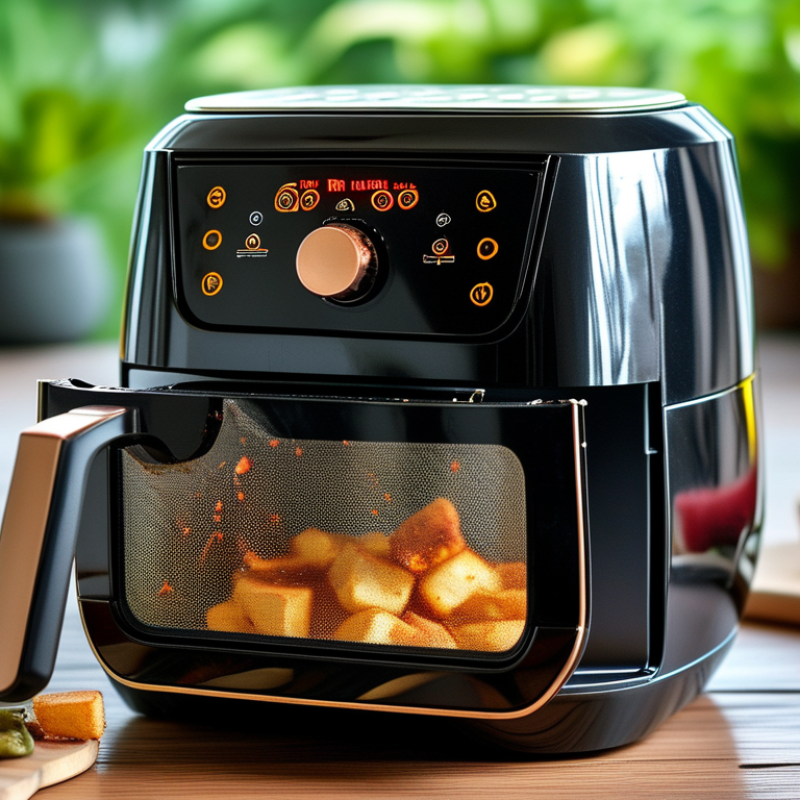
Why is My Air Fryer Smoking and How to Fix It?

Why Is My Air Fryer Smoking? Common Causes Explained

Air fryers have gained popularity for their convenience and ability to create crispy meals. However, a common concern is the presence of smoke during operation. Understanding the reasons behind this issue can help you troubleshoot effectively.

One of the main causes of smoking is excess oil or grease on the food. When this oil heats up, it can create smoke. Another reason could be food particles left behind from previous uses. These particles can burn and produce smoke. Lastly, using temperatures that are too high can also lead to smoking, especially when preparing fatty foods.

Tips: Always clean your air fryer after each use. This reduces the chances of smoke from leftover food. Consider using less oil when preparing your meals. A light coat is often sufficient. Monitor temperatures closely to avoid excessive heat that causes smoke.

Another factor to consider is the type of food you’re cooking. High-fat foods, like bacon, are more likely to produce smoke. If you frequently cook these items, adjusting your air fryer settings may be necessary. Reflect on the best practices to ensure a smoke-free cooking experience.

Why is My Air Fryer Smoking and How to Fix It?

Common Causes Description Solutions
Excess Oil Using too much oil can cause smoke and burning. Reduce the amount of oil used in your cooking.
Food Residue Leftover food particles can heat up and smoke. Clean the air fryer basket and interior regularly.
High Temperature Cooking at too high of a temperature may cause smoking. Lower the cooking temperature and adjust cooking time accordingly.
Moisture in Food Moisture can drip and create steam, leading to smoke. Pat dry food with paper towels before cooking.
Non-Stick Coating Damage Damaged coatings can release smoke when heated. Inspect and replace the air fryer if the coating is damaged.

Understanding the Role of Oil in Air Frying and Smoke Production

Air frying is a popular cooking method, but smoke can be a common concern. Understanding how oil interacts with heat in an air fryer is crucial. When oil is heated beyond its smoke point, it breaks down and produces smoke. This can happen if you’re using too much oil or if the oil is low quality.

Choosing the right oil is essential. Oils like olive or canola are great options. Avoid oils with low smoke points. Use spray oil in moderation. This can help reduce excess smoke while ensuring your food remains crispy.

Another tip is to keep your air fryer clean. Residue from previous cooking sessions can burn and create smoke. Regularly check the basket and fryer components for buildup. Pay attention to your cooking temperature as well. Higher temperatures may increase smoke production. Adjusting your cooking settings can help manage this issue effectively.

Tips for Preventing Smoke in Your Air Fryer During Cooking

Air fryers are popular for their ability to make healthier meals quickly. However, users often face issues with smoke during cooking. Sometimes, this happens because of residue or excess oil in the fryer. A 2021 survey found that over 30% of air fryer users reported encountering smoke at least occasionally. Addressing this issue is vital for a safe and enjoyable cooking experience.

To reduce smoke, always clean the air fryer after each use. Food particles left behind can easily burn and cause smoke. It’s also important to use the right amount of oil. Studies show that using more oil than necessary, particularly with fatty foods, can lead to excessive smoke. Aim to use just a thin layer of oil, if needed. Furthermore, avoid cooking foods high in moisture such as frozen items without proper thawing. This can lead to steam and smoke as well.

Another practice is to preheat the air fryer before adding food. This helps to create a consistent cooking environment and reduces the chances of food juices causing smoke. Ensure the airflow around the fryer is sufficient. Blocking vents can trap smoke. Always keep an eye on the cooking progress, as various factors can lead to unexpected smoke. Being attentive allows you to troubleshoot and adjust cooking times or temperatures as needed.

Signs of Overheating: When to Be Concerned About Your Air Fryer

When using an air fryer, overheating can lead to smoke. This can occur due to several factors. One common sign is a burning smell. If you notice this odor, it could indicate that food debris is caught in the heating element. Another sign is visible smoke coming from the unit. This is a clear indication that you need to act quickly.

Check the basket and the heating element regularly. Food residue can build up and cause irritation. If you frequently experience smoke, try reducing the cooking temperature. Lower temperatures can prevent overheating. It's essential to monitor the cooking process closely.

Don't ignore discolored or damaged components. If the exterior feels extremely hot, it may be time for a break. Excessive heat can lead to safety issues. Keeping your air fryer clean and well-maintained is crucial. This proactive approach can help reduce smoking and keep your appliance functioning effectively.

Cleaning Techniques to Reduce Smoke and Improve Air Fryer Performance

Cleaning your air fryer regularly is essential. Food particles can burn and create smoke during cooking. Regularly removing grease buildup helps improve performance. A clean air fryer cooks food evenly and reduces smoke significantly.

Start with a simple technique. Unplug the fryer and let it cool. Use a damp cloth to wipe the inside. Don’t forget to clean the basket and tray. Soaking these parts in warm, soapy water can help remove stubborn debris. Scrubbing them gently will keep your air fryer in top shape.

Another method involves vinegar. Mixing equal parts of water and vinegar can help with tough stains. Spray this solution inside and wipe it clean. This not only eliminates odors but also helps maintain the appliance's integrity. A well-maintained air fryer may smoke less and perform better. Regular cleaning prevents the need for extensive repairs down the line.

FAQS

: Why does my air fryer produce smoke?

: Smoke can result from overheating oil or food residue. Ensure your oil is suitable and clean your fryer regularly.

How can I choose the right oil for air frying?

Select oils with higher smoke points like olive or canola. Avoid using too much oil to minimize smoke.

What should I do if I smell burning while cooking?

A burning smell indicates potential overheating or residue. Check for debris on the heating element and clean accordingly.

How do I prevent smoke when cooking frozen foods?

Thaw frozen items properly before air frying. Cooking high-moisture foods without thawing can cause steam and smoke.

Is preheating the air fryer beneficial?

Yes, preheating helps create a steady cooking environment. It reduces the chance of food juices producing smoke.

How often should I clean my air fryer?

Clean it after every use. Build-up of food particles can burn and lead to smoke during cooking.

What should I monitor during the cooking process?

Watch for smoke and check the cooking temperature. Adjust settings if you notice excessive smoke or heat.

When should I be concerned about my air fryer’s performance?

Look out for visible smoke, burning smells, or damaged parts. Excessive heat can cause safety problems, so act promptly.

Can airflow around the air fryer affect smoke production?

Yes, proper airflow is essential. Blocking vents can trap smoke, leading to more issues during cooking.

How much oil should I use in my air fryer?

Aim for a thin layer of oil if necessary. Using more oil than needed can lead to excessive smoke.

Conclusion

If you're wondering "why is my air fryer smoking," there are several common causes that you should consider. One major factor is the use of excess oil, which can lead to smoke production during cooking. Understanding the role of oil in air frying is crucial, as too much can trigger overheating and unwanted smoke. To prevent this issue, employing tips such as properly measuring oil and regularly monitoring cooking temperatures can enhance your frying experience.

Additionally, it's important to recognize signs of overheating, as persistent smoke may indicate a need for concern regarding your air fryer's safety. Regular cleaning techniques can also significantly reduce smoke and improve performance, ensuring a better cooking experience. By following these guidelines, you can enjoy delicious, smoke-free meals from your air fryer.

Mason

Mason

Mason is a seasoned marketing professional with a deep expertise in the company's offerings and a passion for driving brand awareness. With a strong background in digital marketing strategies, he has an innate ability to connect with diverse audiences and effectively communicate product benefits.......