7 Best Smart Kitchen Appliances Worth It in 2026?

Time:2026-10-29 Author:Isabella
0%

A connected appliance can promise dinner at the tap of a screen, but convenience depends on how you cook. A smart oven may send a preheat alert while you unpack groceries. A connected multicooker can guide a weeknight meal when your hands are busy. Yet another app, another account, and another device to maintain may not feel like progress.

So, are smart kitchen appliances worth it in 2026? The honest answer depends on the task, the price, and whether the feature solves a problem you actually have. Voice control sounds useful, but a reliable timer may do the job. Remote monitoring can help when you leave a roast cooking, though it does not replace safe cooking practices or checking food yourself. Smart features should support good habits, not promise perfect results.

This guide looks at seven appliance types, including smart refrigerators, ovens, coffee makers, and multicookers. It focuses on practical value: useful automation, clear controls, dependable connectivity, cleaning effort, and long-term cost. Check whether an appliance works with your phone and smart-home setup before buying. Also consider whether key features require a subscription or internet access. A glossy touchscreen is easy to notice. The less exciting details matter more. I’d still question some upgrades; not every connected feature earns its place on the counter.
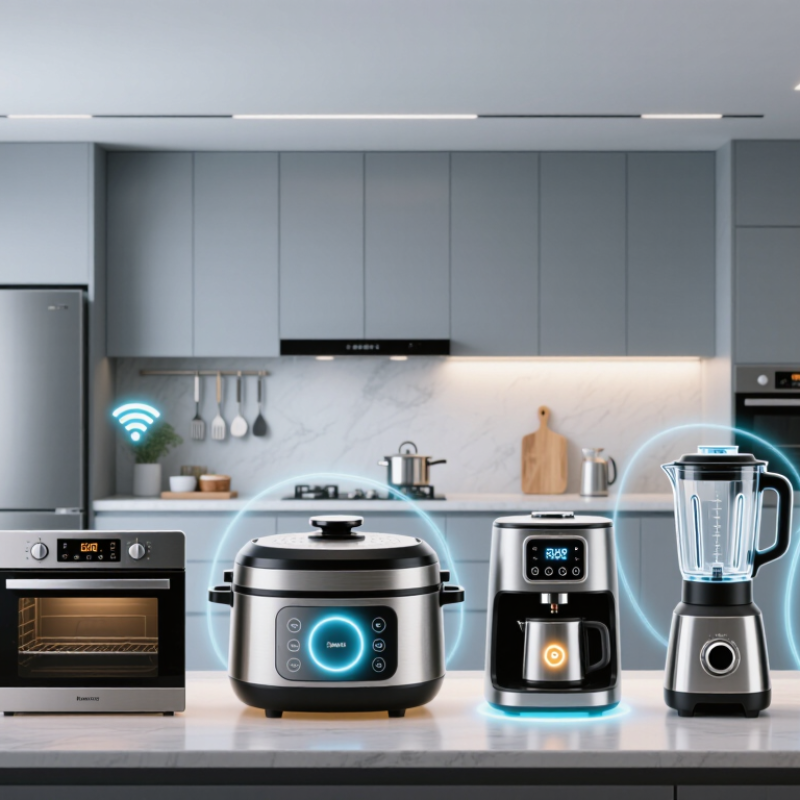
7 Best Smart Kitchen Appliances Worth It in 2026?

What Makes a Kitchen Appliance Smart in 2026?

In 2026, a kitchen appliance is smart when connected software improves a real task, not just adds an app. Useful features include sensors that adjust cooking time, alerts when a cycle ends, and controls that work across devices. A temperature probe that stops cooking at a set point is more meaningful than a touchscreen that only repeats manual settings. Convenience matters.

Good smart design also explains what happens to your data and keeps essential controls usable if Wi-Fi drops. The National Institute of Standards and Technology’s Cybersecurity Framework 2.0 emphasizes managing cybersecurity risks; for buyers, that means checking update support, account protections, and data settings. A connected appliance can still be a bad purchase. More features do not automatically mean better cooking.

Energy use is another practical test. The International Energy Agency’s Energy Efficiency 2023 report puts buildings at about 30% of global final energy consumption, so small efficiency gains matter at scale. ENERGY STAR says certified refrigerators use about 9% less energy than models meeting the U.S. federal minimum standard. That figure measures efficiency, not smartness. Look for clear energy data, useful scheduling, and controls that make savings understandable; real results depend on household habits and the appliance’s settings. That part is easy to overlook.

How to Assess Cost, Convenience, and Long-Term Value

A smart kitchen appliance earns its place by solving a recurring problem, not by adding another screen to the counter. A multicooker may save time on busy evenings, while a connected oven can reduce guesswork with alerts and temperature controls. Convenience should be measurable. Track how often a feature helps, how much cleanup it adds, and whether the appliance still works well without an app. Small wins matter.

Compare the purchase price with likely repairs, replacement parts, energy use, and the cost of accessories. Check whether essential functions depend on an internet connection or paid service. A lower-priced model may be better value if its controls are simple and its parts are easy to find. That calculation is imperfect; actual use can differ from plans. It is easy to overestimate how often a novelty feature will be used.

Long-term value also depends on durability, clear warranty terms, and software support. Before buying, measure the counter space and check the outlet, cabinet clearance, and cleaning routine. A useful test: name one weekly task the appliance will make easier. If there is no clear answer, the upgrade may not be worth it.

7 Best Smart Kitchen Appliances Worth It in 2026? - How to Assess Cost, Convenience, and Long-Term Value

Planning guide: prices are approximate U.S. retail ranges in USD for new appliances and vary by capacity, features, and retailer. Smart functions may depend on Wi-Fi, an app, or a paid service; check current prices and terms before buying.

Appliance type Typical upfront cost Useful smart functions Convenience value Long-term considerations Value assessment
Connected multicooker About $80–$250 App-guided cooking, remote status checks, timers, and recipe programs. Can simplify one-pot meals and reduce the need to monitor cooking closely. Compare the smart model with a basic multicooker; an app is most useful if you will regularly use guided recipes or remote alerts. Often worthwhile for frequent batch cooking or guided meals.
Smart air fryer About $100–$300 Cooking notifications, presets, remote monitoring, and, on some models, recipe guidance. Useful for quick meals and reminders to turn or check food; remote start may be limited for safety or preheating reasons. Capacity, removable-part cleanup, and warranty matter more to everyday value than a large number of app presets. Good value if it replaces frequent oven use for small portions.
Connected coffee maker About $100–$400 Scheduling, brew notifications, strength settings, and maintenance reminders. Can have coffee ready at a chosen time and make routine brewing easier. Check whether the machine needs a phone nearby, an active internet connection, or a subscription for core features; include filter and descaling costs. Worth considering when scheduled brewing is part of your daily routine.
Smart refrigerator About $1,800–$5,000 Temperature alerts, door-open notifications, diagnostics, and—in some models—inventory or internal-camera features. Alerts can help identify an open door or temperature problem; inventory tools may reduce food waste if kept up to date. High purchase cost makes fit, storage layout, repairability, warranty, and energy use especially important. Avoid paying extra for features you will not use. Best value when replacing an old refrigerator; a premium solely for smart features is harder to justify.
Connected dishwasher About $700–$1,800 Cycle notifications, remote status checks, maintenance alerts, and leak or fault notifications on some models. Alerts are convenient when a cycle finishes or attention is needed, but most washing still happens automatically without an app. Cleaning performance, noise, water use, rack design, and service availability should take priority over connectivity. A sensible extra when included in a well-performing model at a modest price premium.
Smart oven or range About $1,000–$4,000 Preheat and timer notifications, temperature monitoring, guided cooking, and remote status checks. Probe-based alerts can help avoid overcooking; app control is less valuable if you prefer to operate the oven in person. Installation, electrical or gas requirements, capacity, service access, and the availability of replacement parts affect long-term cost. Most compelling for frequent cooks who will use temperature monitoring or guided programs.
Connected kitchen scale About $20–$100 Ingredient tracking, app-linked recipes, unit conversion, and nutritional logging on some models. Can make precise baking and portion tracking easier, especially when measurements sync directly to a recipe. Check measurement range, readability, cleaning, battery type, and whether useful functions work without an account or subscription. Low-cost option with good value for regular bakers or people who track portions.

Smart Refrigerators, Ovens, and Multicookers Worth Considering

Smart refrigerators are worth considering when their features solve a daily problem, not just because the screen looks impressive. Door alarms can help in a busy household, while temperature alerts offer useful reassurance during a power interruption. Some models track groceries, but camera views and automatic inventory lists can miss items tucked behind milk cartons. Expect to check them yourself. A roomy interior, clear shelves, and reliable cooling matter more than a recipe display.

Smart ovens can make cooking easier with preheating controls, timers, and temperature probes that track a roast without repeated door opening. Remote features are convenient, but use them only as directed in the manual; an app cannot judge whether the oven is safe to start unattended. Multicookers are appealing for soups, grains, and weekday stews. Guided settings reduce guesswork, though portions and textures may still need adjustment. A small batch can turn mushy. Check that the pot is easy to clean and the controls make sense before paying extra for connectivity.

Smart Coffee Makers, Dishwashers, Faucets, and Food Scales Worth Considering

Smart kitchen upgrades earn their place when they remove a repeated task, not just add another app. A programmable coffee maker can have coffee ready at 7 a.m.; connected models may also offer remote scheduling and status alerts. Check that basic controls still work on the appliance itself. Wi-Fi setup can become one more chore. Small wins matter.

Dishwashers offer the clearest measurable case. ENERGY STAR reports that certified models are about 12% more energy-efficient and 30% more water-efficient than standard models. Actual savings depend on cycle choice, load size, and pre-rinsing habits. Smart alerts can tell you when a cycle ends, but they cannot improve a half-empty load.

Touchless faucets are handy when your hands are covered in flour, though sensor placement and battery changes deserve attention. Smart food scales can pair gram measurements with recipes, making portions easier to repeat. ReFED’s 2024 U.S. food-waste report estimates 73.9 million tons of surplus food in the United States in 2023. A scale will not fix food waste, but weighing leftovers may reveal what gets discarded too often. It is not magic.

Compatibility, Privacy, Maintenance, and Choosing the Right Appliances

Before buying a smart kitchen appliance, check whether it works with your phone, home network, and voice assistant. A connected oven may need 2.4 GHz Wi-Fi, even when your router combines network bands. Check setup notes. Confirm which features still work if the app or internet connection fails. A timer should not become useless during an outage.

Privacy deserves a place on the checklist. Find out what data the appliance collects, whether voice recordings are stored, and how to delete an account or reset the device. Read the privacy settings before connecting it to your kitchen. Small details matter. If the controls feel confusing during setup, daily use may be frustrating too.

Maintenance can quietly outweigh novelty. Check how filters, seals, water tanks, and removable parts are cleaned, and whether replacements are easy to find. A smart feature is less useful if cleaning takes ten extra minutes. Choose an appliance that solves a real routine problem, such as reminding you that food is ready or tracking a cooking temperature. I would favor reliable manual controls over a clever feature I might stop using. Still, even a simple connected appliance can add hassle when its app changes or loses support.

FAQS

What makes a kitchen appliance smart in 2026?

It uses connected features to improve a real task. Sensors, useful alerts, and controls across devices can help.

Is a touchscreen enough to make an appliance smart?

No. A temperature probe that stops cooking at a set point can be more useful than a screen repeating manual settings.

What should I check before connecting an appliance to Wi-Fi?

Check its update support, account protections, and data settings. Also make sure essential controls still work if Wi-Fi drops.

Can a smart appliance reduce energy use?

It may help through clear energy data and useful scheduling. Savings depend on your habits and settings.

Are refrigerator cameras and grocery lists reliable?

They can help, but items behind milk cartons may be missed. Expect to check the shelves yourself.

Which smart refrigerator features are most practical?

Door alarms and temperature alerts can be useful in a busy home. Roomy shelves and reliable cooling matter more than recipe displays.

How can smart oven features help with cooking?

Preheating controls, timers, and temperature probes can make cooking easier. A probe can track a roast without repeatedly opening the door.

Are connected multicookers worth paying extra for?

Guided settings can reduce guesswork for soups, grains, and stews. Still, portions may need adjustment, and a small batch can turn mushy. Check the pot and controls before deciding.

Conclusion

Smart kitchen appliances in 2026 are more than ordinary devices with internet connections: they can automate routine tasks, offer useful alerts, and help households manage cooking and food storage. This overview considers refrigerators, ovens, multicookers, coffee makers, dishwashers, faucets, and food scales, focusing on the features that may genuinely save time or make everyday tasks easier. It also asks the central question: are smart kitchen appliances worth it? The answer depends on how often their connected features will be used and whether their benefits justify the purchase price.

To assess long-term value, compare upfront costs, convenience, repair and maintenance needs, and the expected lifespan of each appliance. Consider whether devices work with your existing home systems, what data they collect, and how settings and software updates are managed. Rather than choosing every available smart feature, prioritize appliances that address real needs, fit your kitchen, and offer dependable everyday value. A thoughtful selection can make a kitchen more convenient without adding unnecessary expense or complexity.

Isabella

Isabella

Isabella is a dedicated marketing professional with a sharp focus on driving brand growth and engagement through strategic content creation. With an extensive background in digital marketing, she combines her passion for storytelling with her keen understanding of industry trends to deliver......