China Top Kitchen Equipment How to Reduce Energy Use?

Time:2026-10-14 Author:Sienna
0%

China’s top kitchen equipment manufacturers are changing how commercial kitchens manage heat, water, and electricity. Yet buying efficient equipment is only one part of the answer. Operators must also control daily habits, maintenance, and cooking schedules.

Richard Young, a respected foodservice energy-efficiency researcher at Frontier Energy, has repeatedly promoted a simple principle: “The best way to save energy is to turn equipment off when it is not needed.” This advice fits busy Chinese kitchens, where woks, combi ovens, fryers, and refrigeration systems may run for hours without full workloads. It also supports the central question: how to reduce energy consumption in the kitchen.

A practical energy plan begins with measurement. Record gas and electricity use during preparation, peak service, and cleaning. Compare induction ranges with conventional burners under similar cooking conditions. Check whether oven doors seal tightly. Clean fryer filters. Remove grease from ventilation hoods. Small faults often create large losses.

Modern Chinese equipment can help. High-efficiency induction cookers transfer heat directly into the pan. Smart combi ovens reduce unnecessary preheating. Variable-speed ventilation systems adjust airflow when cooking intensity changes. Heat-recovery units may reuse warmth from exhaust air or wastewater.

However, efficiency claims require careful verification. Product brochures are not enough. Ask for test data, safety certifications, warranty terms, and local service support. Staff training matters just as much.

Some kitchens will still waste energy. That is the uncomfortable truth. Better equipment cannot fix careless operation. A realistic strategy combines efficient technology, measured performance, and constant adjustment. The best results appear when savings become a daily kitchen habit.
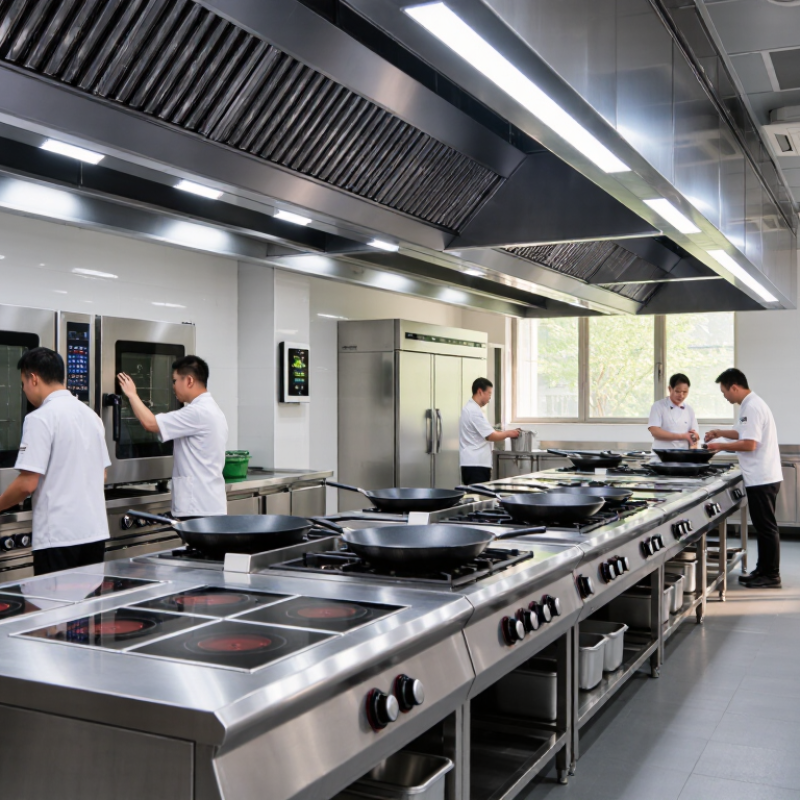
China Top Kitchen Equipment How to Reduce Energy Use?

Assess Energy Consumption in Commercial Kitchen Equipment

China Top Kitchen Equipment: How to Reduce Energy Use?

Assess Energy Consumption in Commercial Kitchen Equipment

Energy reduction starts with measurement, not guesswork. In a commercial kitchen, record each appliance’s rated wattage, operating hours, and duty cycle. Multiply wattage by daily hours, then compare the result with the electricity meter. Test during breakfast, lunch, and cleaning periods, because demand changes sharply. An infrared thermometer can reveal hot surfaces, poor insulation, or heat escaping from doors. We guessed wrong. Actual use was higher. That finding changed our maintenance plan.

Tips: Create a simple energy log for ovens, refrigerators, fryers, dishwashers, and ventilation systems. Note start times, shutdown times, temperature settings, and unusual noise. Check standby consumption after closing. Clean filters and inspect door seals regularly. A small seal gap can force refrigeration equipment to run longer. Compare energy use before and after each adjustment. Avoid changing everything at once, or the results become difficult to verify.

Equipment selection also requires practical observation. A powerful appliance may waste energy when the kitchen operates below capacity. Match cooking volume with equipment size and expected peak demand. Review energy labels and technical manuals, but confirm performance under real working conditions. Staff habits matter. Opening an oven repeatedly releases stored heat. Leaving a dishwasher half-loaded increases water and electricity use. Some readings fluctuate. Weather, menu changes, and production delays can distort comparisons, so keep records for several weeks.

Choose High-Efficiency Kitchen Appliances from China

Choosing high-efficiency kitchen appliances from China can reduce energy use without weakening daily performance. The right choice begins with verified specifications, not attractive product photos. Look for induction cookers, combi ovens, refrigeration units, and dishwashers with clear power ratings. Ask suppliers for test reports, efficiency data, and operating instructions in English. Certification requirements should match the destination market.

In supplier evaluations, compare energy consumption per cooking cycle, not only the motor’s wattage. A 2,000-watt induction cooker may finish boiling faster than a weaker electric plate. That shorter heating time can lower total electricity use. For refrigeration, inspect door seals, insulation thickness, temperature recovery, and standby consumption. Small gaps around a door matter. They quietly waste power every day.

Request sample testing before placing a large order. Measure heating time, water use, noise, and actual electricity consumption in your kitchen. Factory data can look precise, but working conditions are rarely perfect. Voltage changes, poor ventilation, and overloaded equipment affect results. I have learned that the cheapest appliance is not always economical after repairs and downtime. Spare parts, warranty response, cleaning access, and technician support deserve equal attention. Sometimes a simpler model performs better because staff can operate it correctly. Efficiency depends on both engineering and human habits.

Optimize Equipment Settings and Daily Operating Practices

Restaurants typically use five to seven times more energy per square foot than other commercial buildings, according to the U.S. EPA ENERGY STAR Restaurant Guide. Daily settings matter. Keep ovens, fryers, and griddles at the lowest safe temperature for the menu. Preheat only when production requires it, not automatically at opening.

A practical kitchen routine starts with a visible equipment schedule. Switch idle appliances to standby during quiet periods. Avoid opening oven doors repeatedly; each opening releases stored heat. Use lids on stockpots, load dishwashers fully, and match cooking batches to actual orders. The U.S. Department of Energy identifies commercial kitchen equipment as a major opportunity for energy savings through improved controls and operating practices. Small habits become measurable when staff follow the same routine.

Record meter readings weekly, alongside covers served and operating hours. This separates real savings from slow business days. Clean fryer filters, oven seals, ventilation grilles, and refrigerator coils on a fixed schedule. The Food Service Technology Center has shown that ventilation demand can change substantially with cooking activity, so fixed high-speed exhaust is often wasteful. We once assumed a cooler was efficient because its temperature looked correct. A dirty condenser proved otherwise. Settings should be checked with a thermometer, not guessed from a display. Keep testing.

Improve Kitchen Layout, Ventilation, and Heat Management

Reducing energy use in a commercial kitchen starts with the layout, not the equipment label. Place cooking appliances near preparation areas to shorten staff movement and reduce unnecessary door openings. Keep refrigerators away from ovens, steamers, and direct sunlight. A small gap between hot and cold zones can prevent constant cooling demand. It sounds basic, but busy kitchens often ignore it.

Ventilation needs equal attention. A hood that is too large may remove conditioned air and increase heating or cooling loads. A hood that is too small can leave heat, grease, and moisture in the room. During site checks, measure airflow, cooking temperature, and staff comfort at peak service. Variable-speed controls can lower extraction when fewer appliances operate. Filters should be cleaned on a fixed schedule. Dirty filters restrict airflow and make fans work harder.

Heat management also protects equipment performance. Use lids on boiling pots, repair damaged oven seals, and avoid preheating empty chambers for long periods. Insulate exposed hot-water pipes where safe and practical. I have seen kitchens waste energy because a rear door stayed open beside a heated range. Small changes matter. Still, no layout works perfectly in every building. Staff habits, delivery routes, and seasonal temperatures can weaken a good plan. Review energy readings monthly, then adjust the kitchen instead of trusting assumptions. A qualified technician should verify ventilation balance and electrical safety before major changes.

Maintain Equipment to Preserve Long-Term Energy Efficiency

Maintaining kitchen equipment is one of the simplest ways to protect long-term energy efficiency. In daily operations, small faults often become expensive energy losses. A refrigerator door that does not seal tightly can make the compressor run almost continuously. Grease-covered ventilation filters also force fans to work harder. These details are easy to miss.

Clean filters and coils on a scheduled basis, especially in busy kitchens. Check door gaskets, hinges, thermostats, and heating elements for wear. A loose gasket may look harmless. It is not. Calibrate temperature controls with a reliable thermometer, rather than trusting the display alone. Record readings, cleaning dates, and repair work in a maintenance log. This creates useful evidence for managers and qualified technicians. It also helps identify repeated problems before equipment fails.

Use energy meters when possible to compare normal and abnormal consumption. A sudden increase may indicate blocked airflow, refrigerant issues, or poor insulation. Never ignore unusual noise or heat around electrical equipment. One practical mistake is cleaning visible surfaces while neglecting hidden coils and drainage areas. Many kitchens discover this only after energy bills rise. Maintenance schedules should match actual workload, not a convenient calendar. High-use equipment may need inspection every week, while lightly used units require less frequent attention. Small delays still matter.

FAQS

How can a commercial kitchen measure equipment energy consumption?

Record each appliance’s wattage, operating hours, and duty cycle. Check usage during breakfast, lunch, and cleaning. Compare estimates with the electricity meter.

Which appliances should be included in an energy log?

Track ovens, refrigerators, fryers, dishwashers, and ventilation systems. Note start times, shutdown times, temperature settings, and unusual noise. Keep it simple.

How can staff detect wasted heat or refrigeration energy?

Use an infrared thermometer to find hot surfaces, weak insulation, and heat escaping through doors. Inspect door seals regularly. Small gaps matter.

Do rated wattage figures show actual energy use?

Not always. Real consumption changes with workload, weather, menu changes, and production delays. We once guessed incorrectly. Actual usage was higher.

How should a kitchen choose energy-efficient appliances?

Match equipment size with cooking volume and peak demand. Review power ratings, energy labels, manuals, and verified test data. Large equipment may waste energy.

What information should buyers request from suppliers?

Ask for test reports, efficiency data, operating instructions, and certification details for the destination market. Clear documents are essential. Photos are not enough.

Why should equipment be tested before a large purchase?

Test heating time, water use, noise, and electricity consumption in your kitchen. Factory conditions may differ from daily work. Results can surprise you.

Can staff habits affect energy efficiency?

Yes. Repeatedly opening an oven releases stored heat. A half-loaded dishwasher wastes water and electricity. Correct operation matters. People are part of the system.

What maintenance actions can reduce energy waste?

Clean filters, inspect seals, check insulation, and measure standby consumption after closing. Compare readings before and after each adjustment. Do not change everything together.

Is the cheapest appliance always the most economical?

No. Repairs, downtime, spare parts, and technical support can increase long-term costs. A simpler model may perform better when staff can use it correctly.

Conclusion

Reducing energy use in a commercial kitchen begins with understanding where electricity, gas, and heat are being consumed. Measure the energy performance of cooking, refrigeration, ventilation, and cleaning equipment to identify waste and prioritize improvements. When purchasing equipment from China, choose high-efficiency appliances with suitable capacity, reliable insulation, precise temperature controls, and energy-saving operating modes. Avoid selecting oversized machines that consume more power than daily production requires.

Learning how to reduce energy consumption in the kitchen also depends on daily management. Set equipment to appropriate temperatures, avoid unnecessary preheating, keep doors closed, and turn off appliances when they are not in use. A well-planned kitchen layout can shorten workflow distances, improve ventilation, and prevent excessive heat buildup. Regularly clean filters, burners, coils, and vents, while checking seals, thermostats, and electrical connections. Timely maintenance keeps equipment operating efficiently, extends its service life, and helps control long-term operating costs.

Sienna

Sienna

Sienna is a skilled marketing professional with a deep expertise in our company’s core products and services. With a passion for innovation and detail, she plays a pivotal role in crafting insightful blog posts that not only highlight the unique features of our offerings but also provide valuable......