 Beezz Fryer
Cooking at home in 2026 is less about moving faster and more about reducing wasted motion, energy, and ingredients. The question is how to improve cooking efficiency at home without turning dinner into a factory line. A reliable system can help: plan two or three flexible meals, group similar tasks, and keep frequently used tools within reach. Time matters. A sharp knife, clear counter, and preheated pan can remove several small delays from one meal.
The environmental case is equally important. The United Nations Environment Programme’s Food Waste Index Report 2024 estimated that households generated 60% of global food waste in 2022. That figure makes portion planning, visible storage, and leftover reuse practical efficiency skills, not minor lifestyle choices. The U.S. Department of Agriculture also identifies household food waste as a major avoidable loss across the food system. A weekly ingredient map can prevent forgotten spinach, duplicate purchases, and half-used sauces. Small systems win.
Energy choices deserve careful attention, too. ENERGY STAR guidance recommends selecting efficient appliances and using suitable cooking settings, while the U.S. Energy Information Administration tracks growing household electricity demand from appliances and electronics. Batch cooking may reduce repeated heating, but it is not automatically better for every household. Oversized batches can create waste. I still misjudge rice sometimes. That is why this guide focuses on measurable habits: preparation time, active cooking minutes, cleanup effort, food waste, and energy use. These indicators support practical decisions, while acknowledging that kitchens, budgets, abilities, and family schedules differ.
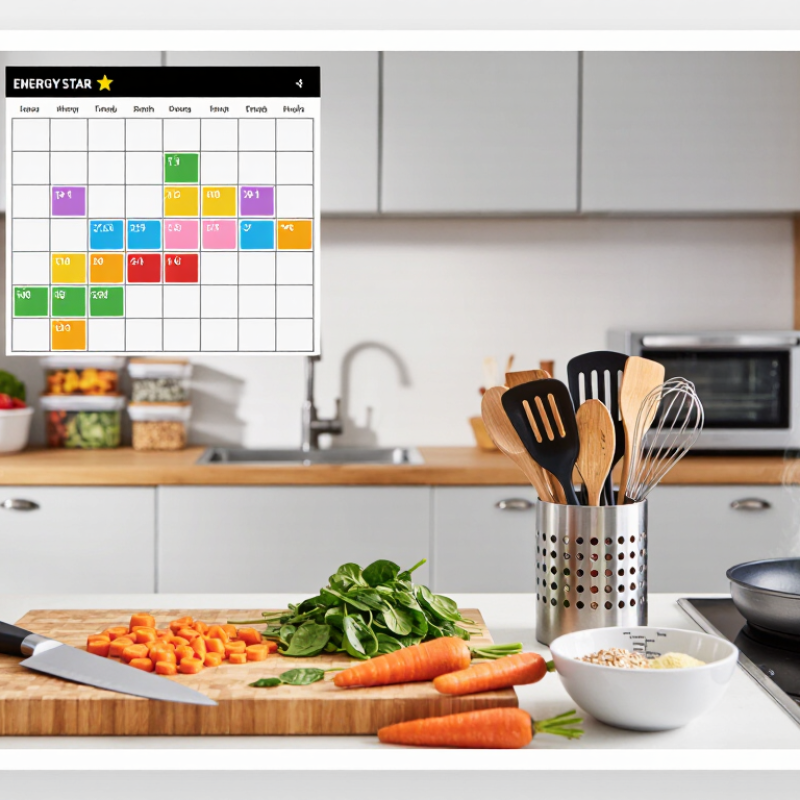
Cooking efficiency improves when you measure the workflow, not just the cooking time. Track one ordinary dinner from ingredient search to washing the final pan. Record every pause, repeated trip, and tool change. Small delays often hide in plain sight.
The U.S. Bureau of Labor Statistics reported that Americans spent about 37 minutes daily preparing food and drinks in its 2023 American Time Use Survey. Your number may be higher. Compare your active cooking time with your waiting time, walking time, and cleanup time.
If you open three drawers for one knife, relocate that knife. If vegetables wait beside the sink, move the cutting board closer. These changes cost little, but they remove friction.
A simple paper audit works well. Draw four columns: task, minutes, interruption, and possible fix. Measure chopping, searching, reheating, and washing separately. Do not assume multitasking saves time; a crowded counter can slow every task.
Household waste also reveals workflow problems. WRAP estimated that UK households wasted 6.4 million tonnes of edible food in 2022. Forgotten leftovers and poorly planned portions deserve attention. My first audit would likely miss something, especially short interruptions. Repeat it on a busy weekday, not only on a calm weekend. The kitchen tells the truth when dinner is late.
Keep frequently used ingredients between waist and eye level. Use clear, labeled containers for dry goods. Place produce in a shallow tray. Label dates clearly. I still misplace things sometimes.
Match each tool to its cooking movement. Keep knives near the board and measuring tools near the mixing area. Store pans near the cooktop. Put heavy cookware on a low, stable shelf. This saves steps.
Leave one counter section empty for chopping and plating. Keep a small bowl nearby for scraps. Place towels and containers within reach. The empty space matters.
Read the full recipe first. Portion ingredients into separate containers. Measure spices early. This prevents rushed guessing. A short setup can reduce confusion.
Use separate boards for raw meat and ready-to-eat foods. Wash surfaces with hot, soapy water. Check doneness with a food thermometer, not color alone. I am not perfectly consistent, so reminders help.
Check work hours, family commitments, and existing refrigerator ingredients. Choose three main dishes with overlapping components. Leave one meal unplanned for unexpected changes. Ideal schedules often fail.
Wash and dry leafy greens. Chop onions and portion proteins separately. Cook measured amounts of grains. One tray of roasted vegetables can support soup, grain bowls, and wraps. Keep portions practical.
Use small containers so food cools faster. Label contents and preparation dates. Refrigerate cooked food within two hours. Use most leftovers within three to four days. Freeze suitable portions when necessary. I sometimes overcook rice, then rethink the plan.
Note why a sauce burned or a tool felt awkward. Change one part of the setup next time. Reset the counter for ten minutes after preparation. I sometimes skip this and regret the mess the next morning. Small changes still count.
Learning how to improve cooking efficiency at home begins with understanding how your kitchen workflow affects your time. Identify tasks that repeatedly slow you down, then arrange ingredients, utensils, appliances, and preparation areas so frequently used items are easy to reach. A simple meal plan can reduce daily decisions, while preparing ingredients in batches—such as washing vegetables, portioning proteins, or making basic sauces—helps streamline several meals at once.
Efficient cooking also depends on choosing practical techniques, including one-pan cooking, pressure cooking, steaming, and preparing multiple components simultaneously. Use helpful kitchen technology when it genuinely saves time, but keep your process simple and manageable. Cleaning as you cook prevents clutter from building up and makes the final cleanup faster. Finally, track preparation and cooking times for a week to discover patterns, adjust inefficient habits, and create a smoother routine that saves effort without sacrificing meal quality.
