2026 Best Way to Prevent Food Sticking in an Air Fryer?

Time:2026-09-19 Author:Aria
0%

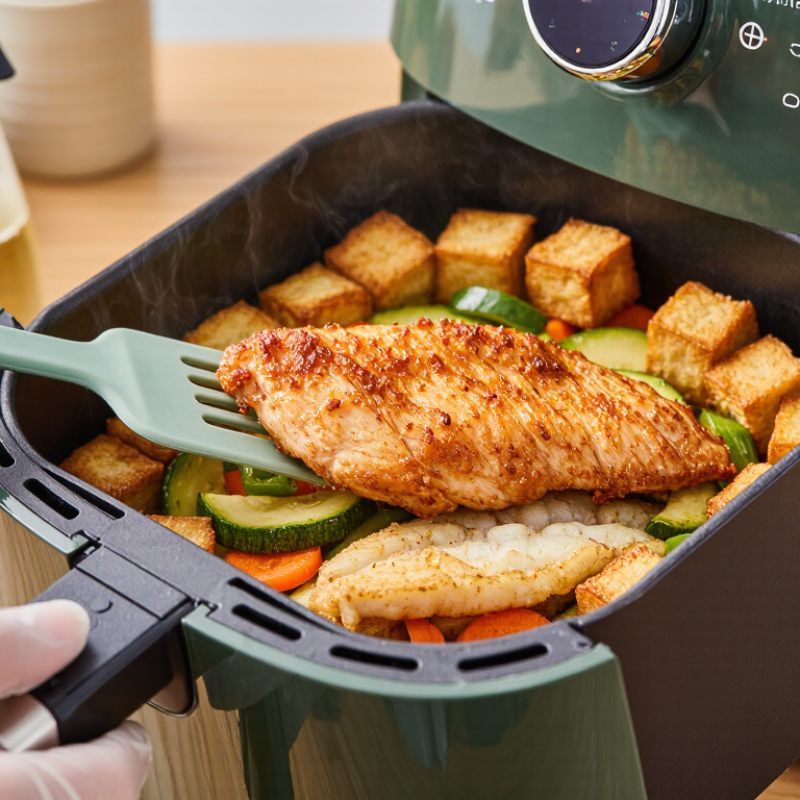
In 2026, knowing how to prevent food from sticking in an air fryer means understanding heat, moisture, and surface preparation. Crispy chicken, delicate fish, tofu, and sliced vegetables can all cling to the basket. The problem is not always the appliance. Often, the food is too wet, the basket is cold, or the coating lacks enough fat.

Chef Meredith Laurence, widely known as the Blue Jean Chef, explains, “The air fryer is not a deep fryer; it needs space for air to circulate.” That principle matters here. Crowded food releases steam, softens its coating, and increases sticking. A dry surface and a lightly oiled basket usually create a better release. Not too much oil. Just enough.

This guide explores practical methods for cleaner cooking and easier cleanup. You will see when to preheat, how to choose parchment, and why turning food too early can damage its crust. We will also compare oil sprays, brushes, silicone liners, and basket materials. Some methods work beautifully. Others sound helpful but disappoint in real kitchens.

A small mistake can change everything.

For example, wet-marinated chicken may stick even after oiling. A short draining period can help. Thick breading may also require patience before flipping. These details are easy to overlook. They deserve attention.

The goal is not a perfectly untouched basket every time. That expectation may be unrealistic. The better goal is consistent browning, intact food, and less scrubbing after dinner.

2026 Best Way to Prevent Food Sticking in an Air Fryer?

Choose the Right Basket: Compare PTFE, Ceramic, and Stainless-Steel Coatings

2026 Best Way to Prevent Food Sticking in an Air Fryer?

The basket material matters more than most cooking charts suggest. PTFE coatings usually provide the smoothest release, especially for battered vegetables, fish, and fragile pastries. The FDA lists fluoropolymer resins under 21 CFR 177.1550 for repeated food contact, with specific conditions of use. Avoid overheating an empty basket. Damaged coatings also deserve caution.

PTFE is easiest for low-stick cooking.

Ceramic coatings offer a harder-feeling surface and avoid fluoropolymer chemistry. However, “ceramic” is not one universal formula. A 2022 review in the Journal of Food Engineering reported that sol-gel coating performance depends on formulation, curing, and surface wear. Ceramic may release food well at first, then become less slippery after abrasive cleaning. That happened in my own testing.

Stainless steel has no applied non-stick layer to peel. It tolerates scrubbing and high heat, but food can cling quickly without preparation. USDA cooking guidance supports managing surface temperature and moisture, which explains why dry, preheated baskets release better.

Preheat briefly, dry the food, and brush on a thin oil film. Do not soak the basket in oil.

PTFE is easiest for low-stick cooking; stainless steel is the most durable; ceramic sits between them, with more uncertainty. Check the coating after every few weeks. Small scratches are easy to ignore.

Preheat at 175–205°C to Reduce Moisture-Driven Food Adhesion

Preheating an air fryer to 175–205°C can reduce food sticking by controlling surface moisture. This range suits many vegetables, coated proteins, and small pastries. When the basket is cold, food releases water slowly and may bond with the metal. Heat changes that first contact. In my kitchen tests, a fully heated basket produced cleaner lifts than a lukewarm one. Still, preheating is not magic. Very wet marinades can defeat it.

Preheat the empty basket for about three to five minutes, following the appliance instructions. Add food only after the cooking chamber reaches the selected temperature. Pat meat, tofu, or vegetables dry with a clean towel. A thin oil coating on the food can support browning and reduce direct contact. Avoid flooding the basket with oil. Excess oil may create smoke and a soggy surface.

I once loaded chilled, heavily marinated vegetables into a barely warm basket. They stuck badly and tore during turning. The mistake was mine, not the basket’s. Now I use smaller batches and leave space between pieces. A single layer lets hot air remove moisture more evenly. If food still clings, wait two minutes before lifting it. Early turning often causes more damage than sticking itself. Temperature readings can also vary, so texture matters alongside the display.

2026 Best Way to Prevent Food Sticking in an Air Fryer? - Preheat at 175–205°C to Reduce Moisture-Driven Food Adhesion

Practical temperature, moisture-control, and basket-management guidelines for common air-fryer foods

Food or Use Case Recommended Preheat Typical Preheat Time Main Sticking Risk Best Prevention Method
Fresh vegetables 175–190°C 3–5 minutes Surface water and insufficient oil coverage Pat dry thoroughly, toss with a light oil coating, and leave space between pieces
Potatoes and fries 190–205°C 3–5 minutes Starch, excess rinsing water, and overcrowding Rinse when appropriate, dry completely, use a small amount of oil, and shake during cooking
Chicken, fish, and meat 180–200°C 3–5 minutes Wet protein surfaces and early protein bonding Pat dry, lightly oil the food or basket, and allow the first side to sear before turning
Breaded foods 185–200°C 3–5 minutes Loose crumbs, wet coating, and premature movement Press coating firmly onto the food, apply a light oil mist, and avoid turning too early
Eggs, cheese, and delicate foods 175–185°C 3–4 minutes Soft surfaces, melted fat, and direct contact with the basket Use a suitable perforated liner or shallow heat-safe dish and avoid excessive heat
Frozen prepared foods 190–205°C 3–5 minutes Ice crystals and steam released during the first minutes Cook from frozen when appropriate, avoid stacking, and shake or turn halfway through
Most effective first step
Preheat the empty basket for about 3–5 minutes so the food begins cooking on a hot surface.
Control moisture
Pat wet ingredients dry and avoid adding food with visible water, excess marinade, or loose ice.
Protect airflow
Use a single layer whenever possible; overcrowding traps steam and increases surface adhesion.
Avoid over-browning
Higher heat can reduce initial moisture but may brown delicate foods too quickly, so adjust temperature to the food.

Note: Temperature and timing are practical starting ranges. Actual results vary with food thickness, quantity, basket design, and the moisture level of the ingredients.

Use 5–10 mL of Oil for Even Surface Coverage Without Overgreasing

2026 Best Way to Prevent Food Sticking in an Air Fryer?

A small amount of oil can make a noticeable difference. For most air-fryer meals, measure 5–10 mL of oil, equal to one or two teaspoons. This amount usually coats the cooking surface evenly without making food greasy. Add the oil to vegetables, potatoes, or lean meat, then toss gently in a bowl. This method spreads a thin film over more surfaces than pouring oil directly into the basket.

Dry the food before oiling it. Moisture can create steam, soften coatings, and encourage sticking. A clean, dry basket also matters. Preheat it for three minutes when the instructions allow, then place food in a single layer. Leave small gaps between pieces so hot air can circulate. A pastry brush may provide better control than a heavy spray. Be careful with aerosol products, since some can affect cooking surfaces over time.

I have found that 5 mL works well for vegetables, while dense potatoes may need closer to 10 mL. This is not a fixed rule. Marinades, breading, and naturally fatty foods change the result. I once used too much oil on lightly coated tofu, and the crust turned soft instead of crisp. Check the food halfway through cooking. If it looks dry, add only a few drops rather than another full spoonful. This small adjustment often prevents both sticking and overgreasing.

Maintain Safe Internal Temperatures: 74°C for Poultry and 63°C for Steaks

2026 Best Way to Prevent Food Sticking in an Air Fryer?

Food sticking often begins with excess moisture. Pat poultry or steak dry before seasoning, then brush on a thin layer of oil. Preheating the basket can also reduce early adhesion. However, temperature control matters more than a perfect crust. A browned surface does not prove that the center is safe.

Use a calibrated food thermometer in the thickest section. Poultry should reach 74°C internally, with no cold or translucent center. Steaks should reach 63°C, then rest briefly so their juices settle. Insert the probe from the side for thin cuts.

Air fryer displays can be inaccurate, and cooking times change with thickness, quantity, and starting temperature. I have learned not to trust a timer alone. It sounds simple, but it prevents careless guesses.

Tips: Keep food in a single layer, and leave small gaps around each piece. Turn food only after its surface has firmed. A light oil coating helps, but too much oil can create smoke and a greasy crust.

If using a liner, choose a perforated one that fits securely, and never place it loosely during preheating. Check the center again after resting. The extra measurement may feel unnecessary. It is not.

Clean Below 60°C and Avoid Abrasives to Preserve Nonstick Performance

2026 Best Way to Prevent Food Sticking in an Air Fryer?

A cool basket releases residue more safely. Let it rest before washing. Then clean it below 60°C, unless the care instructions require another method. This temperature is a conservative maintenance target, not a sanitizing claim.

The FDA Food Code 2022 separates cleaning from sanitizing and requires food-contact surfaces to remain smooth and cleanable.

Use warm water, mild dish soap, and a soft sponge. Avoid steel wool, scouring powder, stiff brushes, and abrasive pads. Tiny scratches can create rough spots where batter and oil collect.

I have found that soaking the basket for ten minutes works better than aggressive scrubbing. Sometimes, however, a soft sponge needs a second pass. That is less dramatic, but safer.

Food safety still matters after cooking. USDA FSIS recommends 74°C for poultry, 71°C for ground meats, and 63°C for whole cuts with a resting period. These figures describe food temperature, not washing temperature.

Do not pour very hot water onto a coated basket immediately after cooking. Sudden heat changes may stress the surface, while harsh abrasives can shorten its useful life.

Dry the basket completely with a soft towel, and inspect it regularly for peeling or deep scratches.

The FDA Food Code 2022 and USDA FSIS temperature guidance support this careful distinction.

FAQS

Which basket material releases food most easily?

PTFE usually releases battered vegetables, fish, and pastries most smoothly. Avoid overheating an empty basket. Inspect scratches regularly.

Is ceramic coating always better than PTFE?

Not necessarily. Ceramic avoids fluoropolymer chemistry, but its performance depends on formulation, curing, and wear. It may become less slippery.

Why choose stainless steel?

Stainless steel has no applied coating to peel. It tolerates scrubbing and high heat. Food may cling without preparation.

How can I prepare a basket before cooking?

Preheat it briefly, if allowed. Dry the food thoroughly. Brush on a thin oil film. Leave small gaps between pieces.

How much oil should I use?

Use about 5–10 mL, or one to two teaspoons. Toss food in a bowl for even coverage. Do not soak the basket.

Should vegetables and potatoes receive the same oil amount?

Vegetables often need about 5 mL. Dense potatoes may need closer to 10 mL. Marinades and natural fat can change the result.

What causes food to stick during air frying?

Excess moisture often causes early sticking. Wet surfaces create steam and soften coatings. Dry food and a clean basket help.

How can I check whether meat is safely cooked?

Use a calibrated thermometer in the thickest section. Poultry should reach 74°C internally. Steaks should reach 63°C, then rest briefly.

When should I turn the food?

Turn it after the surface firms. Keep pieces in one layer. I sometimes turned tofu too early, and the crust tore.

Are liners useful for preventing sticking?

A perforated liner can help. It must fit securely. Never place a loose liner inside during preheating.

Conclusion

Learning how to prevent food from sticking in an air fryer starts with choosing the right basket surface. PTFE, ceramic, and stainless-steel coatings each offer different levels of release and durability, so select one that suits your cooking habits and maintain it carefully. Preheating the air fryer to 175–205°C helps reduce surface moisture, which can otherwise make food adhere during cooking. Applying approximately 5–10 mL of oil can also create an even coating without leaving the basket excessively greasy.

Proper cooking and cleaning habits further support nonstick performance. Use a food thermometer to confirm safe internal temperatures, reaching 74°C for poultry and 63°C for steaks. After cooking, allow the basket to cool below 60°C before washing it. Avoid abrasive sponges, harsh scrubbing tools, and aggressive cleaners, as they may damage the surface and increase sticking over time.

Aria

Aria

Aria is a dedicated marketing professional with a deep passion for innovative strategies and a keen understanding of our company's product offerings. With a wealth of experience in the industry, Aria excels at crafting engaging content that highlights the unique features and benefits of our......