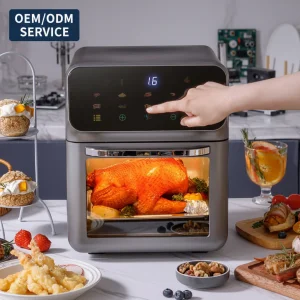
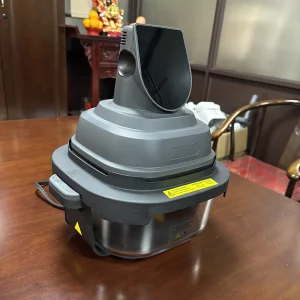
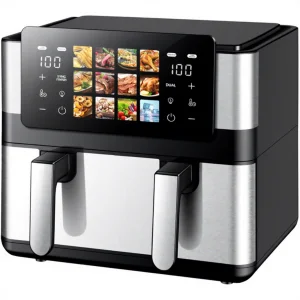
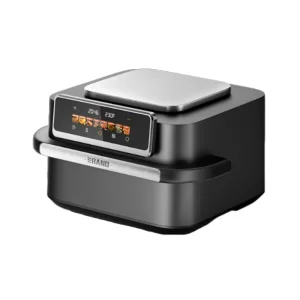
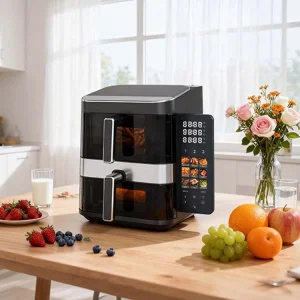
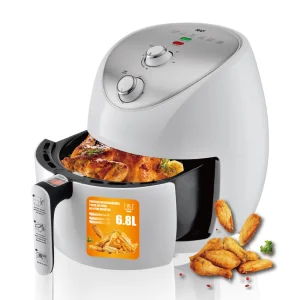
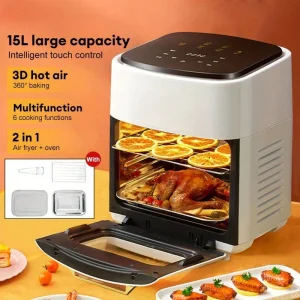
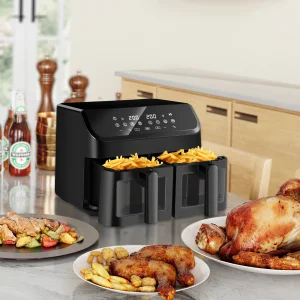
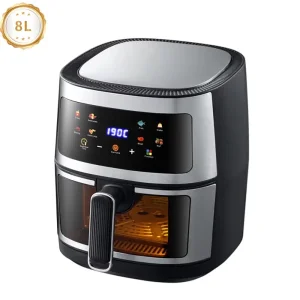
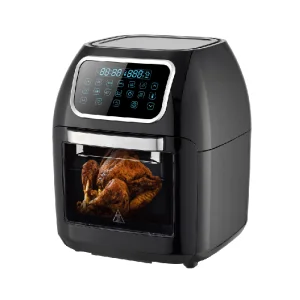
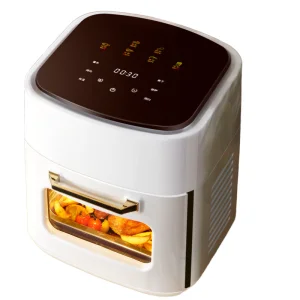
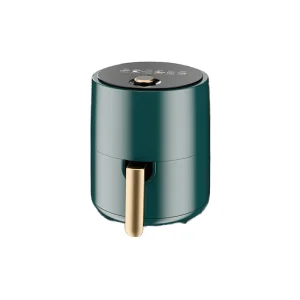
Beezz Fryer
Beezz Fryer
Beezz Fryer
The global household appliance landscape is undergoing a structural transition. Consumer preferences have decisively migrated from traditional, fat-heavy frying techniques to high-efficiency, oil-free convection mechanisms. This transition is not merely a dietetic trend but a systemic shift in how consumers view energy efficiency, speed, and clean-label food preparation. Research indicates that the global smart and healthy kitchen appliance market is projected to expand at a compound annual growth rate (CAGR) exceeding 8.5% over the next decade. Driven by modern urbanization and lifestyle shifts, B2B buyers must align with factories capable of delivering technological innovations that cater to this evolving demand.
“Information Gain Perspective: Sourcing healthy cooking appliances requires examining the thermal dynamics of the system. Modern convection engineering uses 360-degree high-velocity thermal air currents to emulate the Maillard reaction without using excessive fats. This retains natural juices while reducing fat intake by up to 85%.”
B2B procurement has advanced beyond simple pricing metrics. Professional buyers—ranging from retail brands in Europe to import houses in North America—demand deep compliance, low defect rates, and environmental responsibility. Suppliers must verify food safety and electronics safety certifications like CE, CB, GS, UL, ETL, KC, PSE, SAA, RoHS, and REACH. In addition, ethical supply chain auditing, such as BSCI and ISO9001, is essential for brand preservation and risk mitigation. Manufacturers must build smart internal frameworks to trace raw material processing from steel coils to finished heating assemblies.
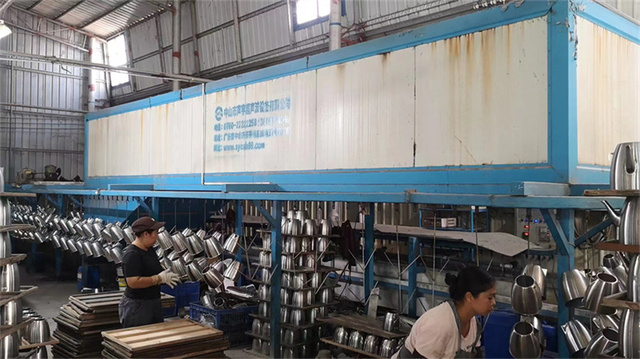
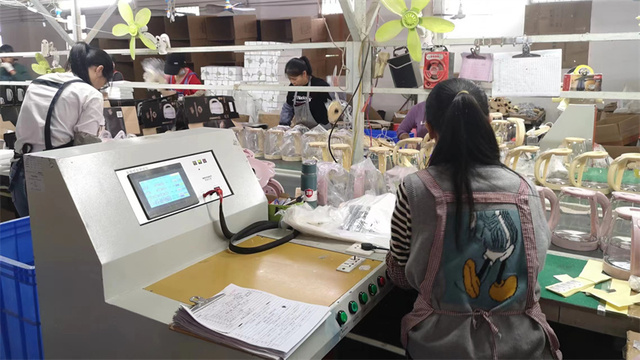
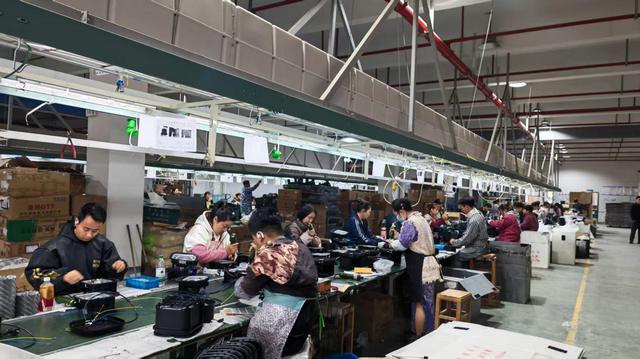
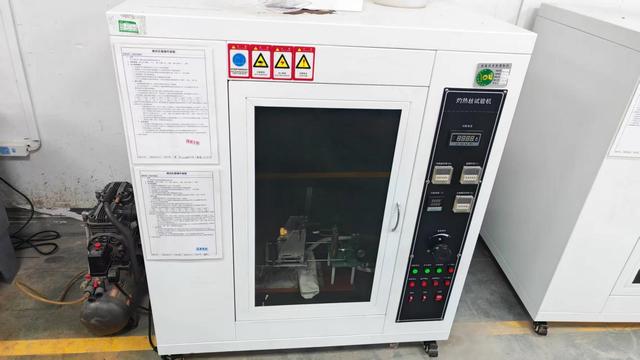
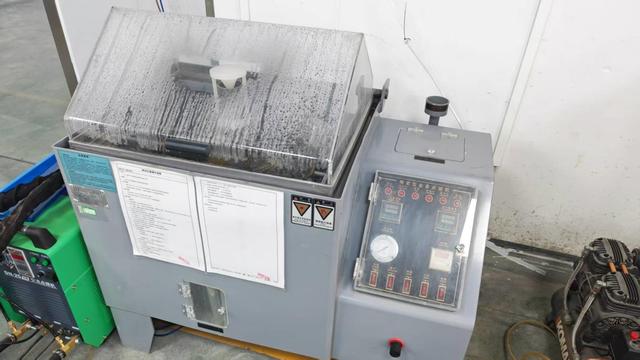
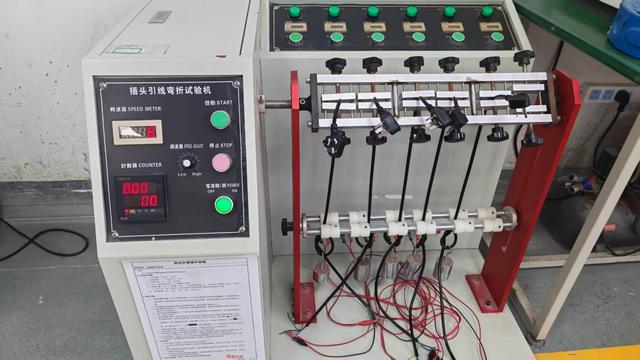
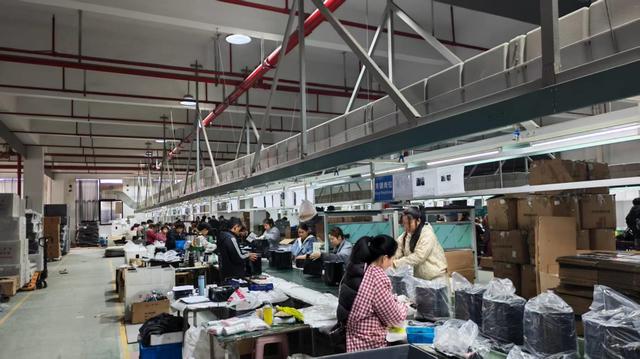
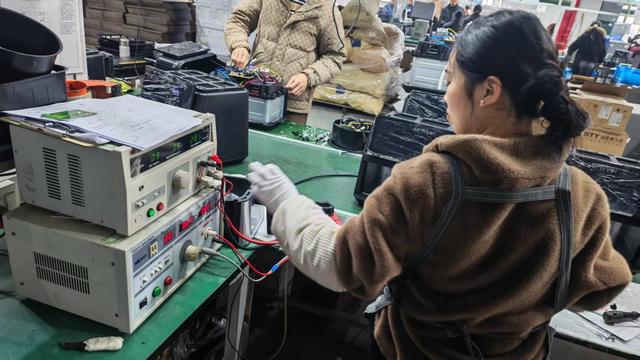
Dongguan Beezz Fryer Co., Ltd., based in Dongguan, China, represents the technological integration of China's Industry 4.0 initiative. In modern appliance assembly, supply chain proximity is a major competitive advantage. The Dongguan ecosystem provides rapid sourcing of precision heating coils, optical display panels, food-grade glass, and high-performance injection-molded plastics within a 50-kilometer radius. This layout minimizes logistics latency, allowing for responsive product adjustments. Our production lines utilize automated sheet-metal presses, high-speed plastic injection molding, and digital testing bays that screen for insulation safety, temperature accuracy, and thermal distribution before packaging.


Culinary habits and kitchen spaces vary significantly across different global markets. An appliance designed for the North American market might not fit the spatial limits of an urban East Asian kitchen. A professional manufacturer must offer diverse, market-specific configurations:
Q1: How does Dongguan Beezz Fryer Co., Ltd. ensure heat consistency in its smart air fryers?
We design our products using high-velocity 360-degree convection currents, driven by dynamic AC/DC fans and calibrated heating coils. Dual NTC thermistors monitor temperature levels dynamically, maintaining temperature variance within +/- 1°C. This helps prevent hot spots and ensures even browning.
Q2: What is the typical lead time and MOQ for custom OEM/ODM tooling?
For standard catalog selections, our typical OEM MOQ starts at 1,000 units. When custom tooling is required (such as new body shapes or unique UI panels), our design and development cycle spans approximately 45 to 60 days. This timeline includes CAD file releases, prototype mockups, mold creation, and initial trial runs.
Q3: How are the non-stick surfaces certified for global food-contact safety?
All internal non-stick coatings, baskets, and glass windows undergo rigorous testing. We ensure compliance with international food contact standards, including LFGB, FDA, and RoHS. Options include PFOA-free PTFE, ceramic, and high borosilicate glass, tailored to meet local regulatory requirements.
Q4: Can we integrate custom smart connectivity options like Wi-Fi or Bluetooth?
Yes, we provide Tuya, Alexa, and Google Assistant-compatible IoT modules. Our systems support custom mobile applications, allowing users to control cooking profiles, monitor internal temperatures, and access cloud-hosted recipes via smartphone.
Q5: How does your factory handle quality control during mass production?
Our QA framework involves four inspection stages: Incoming Quality Control (IQC) for electronics and components, In-Process Quality Control (IPQC) during sub-assembly, Final Quality Control (FQC) testing for functional and safety performance, and Outgoing Quality Control (OQC) to verify packaging integrity before shipment.