Beezz Fryer
Beezz Fryer
Beezz Fryer
Engineered for electrical load efficiency, high performance, and rapid convective heat transfer to suit East Africa's rising domestic demands.
An Industry Whitepaper on Market Dynamics, Technological Adaptations, and B2B Importer Solutions.
The Kenya market is undergoing a significant transformation in its domestic and commercial cooking patterns. Traditionally reliant on liquefied petroleum gas (LPG), charcoal, and kerosene, Kenyan households—particularly in fast-expanding urban centers like Nairobi, Mombasa, Kisumu, and Nakuru—are rapidly adopting electrical cooking (e-cooking) solutions. This structural pivot is driven by several convergent factors: rising and volatile gas prices, growing environmental awareness, and a national push toward clean cooking led by organizations like the Clean Cooking Association of Kenya (CCAK).
However, the transition to electrical cooking in Kenya faces a critical challenge: high electrical tariffs. With the Kenya Power and Lighting Company (KPLC) token costs rising, consumer sensitivity to wattage consumption is at an all-time high. This makes standard electric ovens and deep fryers less attractive due to their long preheating times and high energy draw. High-speed air fryers solve this pain point directly. By employing advanced thermal convection mechanisms, these appliances reduce cooking time by up to 50% compared to conventional coil-based ovens, translating to direct energy savings for prepaid token consumers.
Kenyan electrical infrastructure presents specific parameters that international manufacturers must accommodate. Operating at a standard voltage of 240V and a frequency of 50Hz, the Kenyan grid is also subject to voltage fluctuations and surges. Appliance reliability requires high-quality PCB designs (Printed Circuit Board Assemblies) featuring integrated surge protection, thermal fuses, and microcomputer temperature controls that prevent system degradation during voltage dips.
Furthermore, standard Kenyan wall sockets utilize the Type G plug (UK three-pin standard, fused at 13A). B2B exporters supplying this market must ensure that all shipments are manufactured with integrated Type G power cables that comply with the Kenya Bureau of Standards (KEBS) guidelines. Delivering products with incorrect power configurations not only incurs secondary processing costs for distributors but also risks immediate rejection at the Port of Mombasa during customs inspection.
Designed with wide-voltage tolerance (220V-240V) and thermal runaway fuses to handle voltage anomalies common in municipal grids.
Pre-export inspection protocols and certification compatibility (CE, CB, RoHS, IEC 60335) simplify local PVoC clearance.
Fitted at the factory level with fused, high-durability 3-pin British Standard plugs to match Kenya's domestic socket architecture.
LPG Gas Cost Reduction vs E-Cooking
Grid-Optimized Electrical Design
Faster Hot-Air Convection Speed
KEBS CoC Clearance Verification Rate
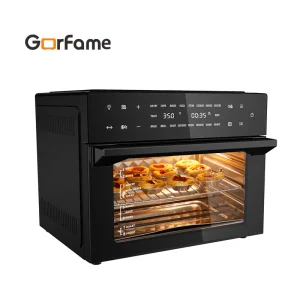
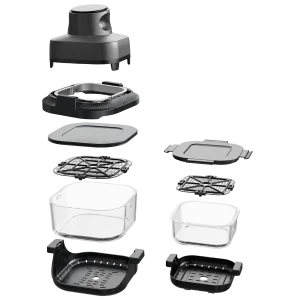
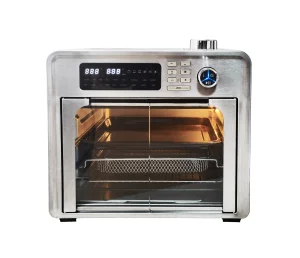
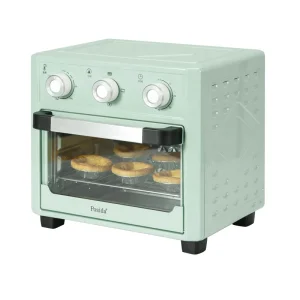
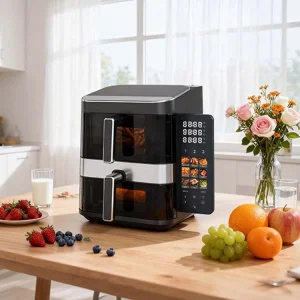
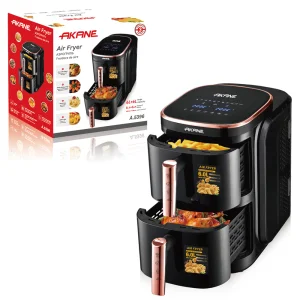
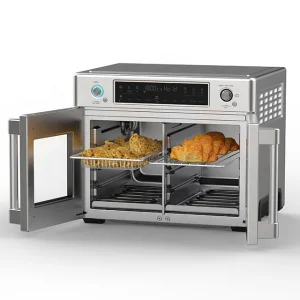
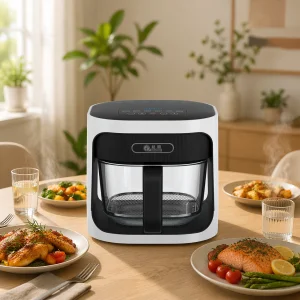
Modern high-speed air fryers are defined by their thermodynamic efficiency. Unlike traditional ovens that rely on slow natural convection, our high-speed air fryers utilize a forced-convection system. At the core of this system is a high-velocity axial fan matched with a spiral nichrome heating element (ranging from 1200W to 2800W depending on basket capacity). This combination generates an high-velocity vortex of superheated air that wraps around the food, stripping away surface moisture to mimic deep-frying without the oil medium.
From an engineering perspective, the internal airflow profile must remain uniform. Minor design imbalances in the fan blades or the basket ventilation patterns can lead to uneven thermal pockets, resulting in unevenly cooked meals. To prevent this, Dongguan Beezz Fryer Co., Ltd. implements advanced computational fluid dynamics (CFD) modeling during the prototype phase. This ensures that the velocity of the air remains uniform across all shelves or drawer compartments, resulting in a consistent finish—a critical parameter for commercial kitchens and high-end consumer brands alike.
For B2B importers looking to capture market share, brand differentiation is vital. Dongguan Beezz Fryer Co., Ltd. offers robust OEM and ODM services that allow distributors in East Africa to launch localized product lines. This includes tailored control panels, Swahili-translated instructional manuals, custom-designed packaging, and outer shell selections ranging from brushed SUS304 stainless steel to high-gloss heat-resistant polymers.
By co-developing products with our specialized R&D team, Kenyan retailers can request custom pre-set menus specifically calibrated for traditional East African culinary staples (e.g., precise temperature/time presets for sweet potato chips, tilapia fry, samosas, and roasted maize). This high-margin value addition increases end-user satisfaction and strengthens brand equity in a competitive retail environment.
Inside Dongguan Beezz Fryer Co., Ltd.'s modern assembly facilities, where precision engineering meets rigorous quality control.
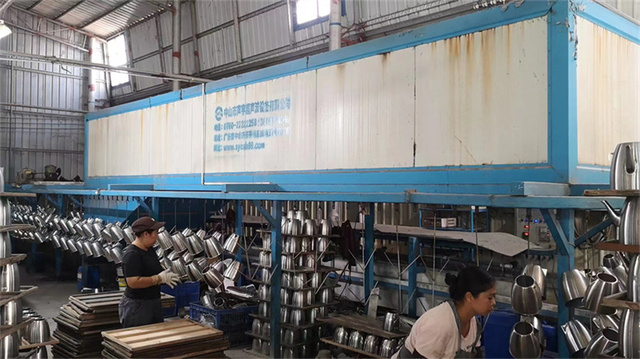
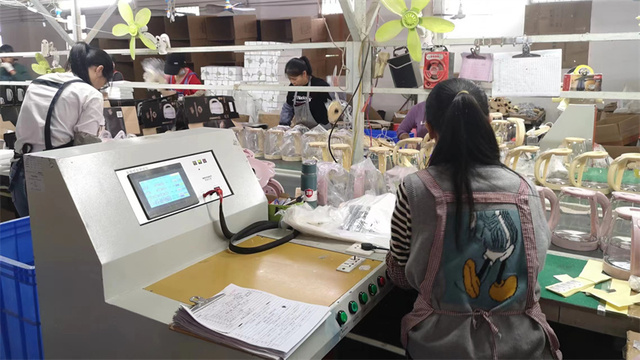
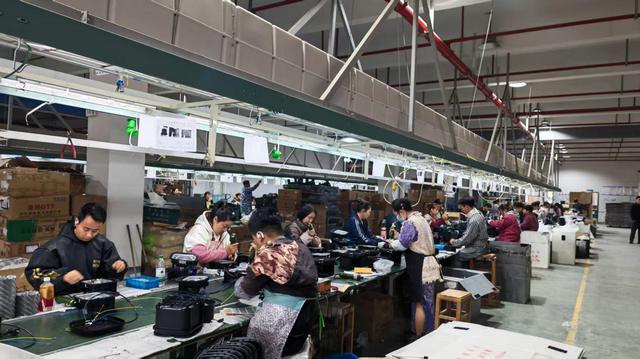
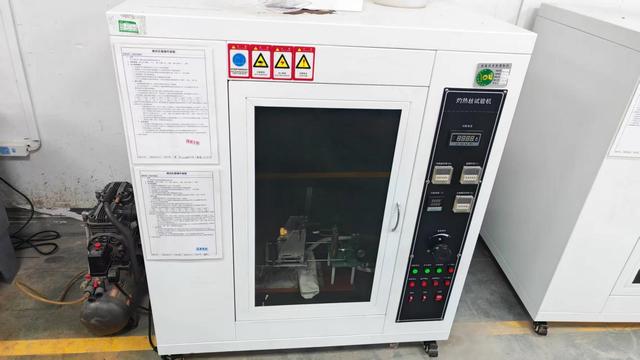
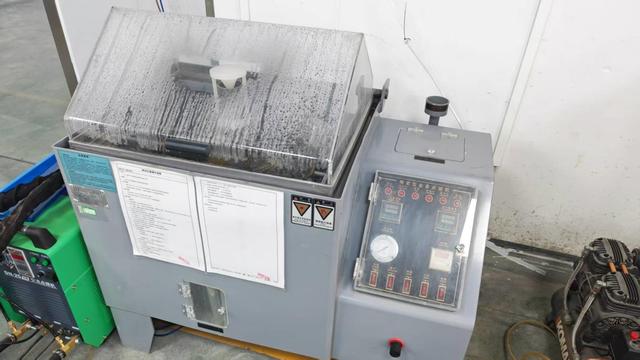
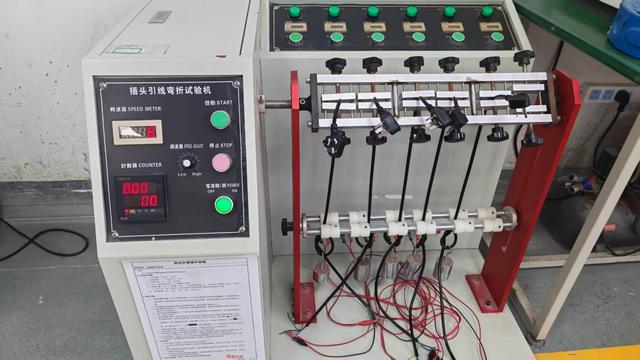
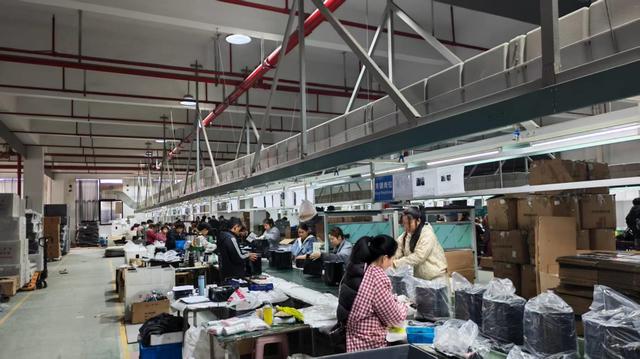
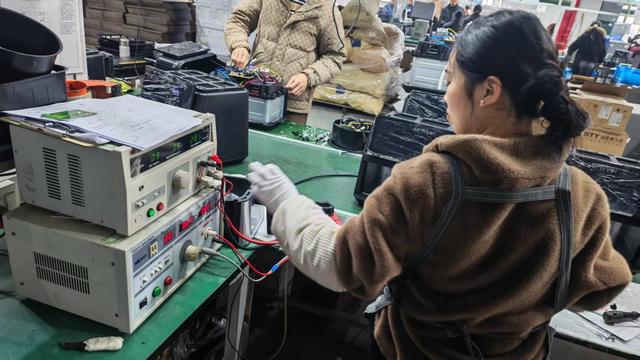
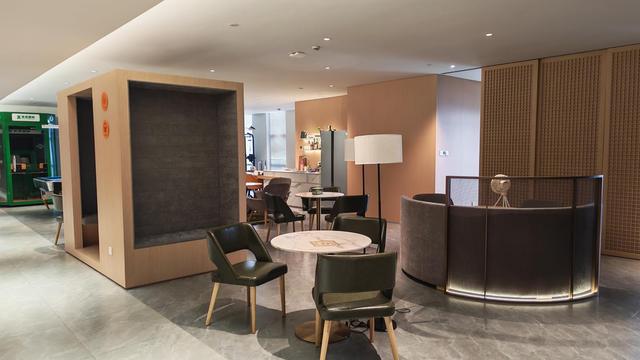

Located in the manufacturing hub of Dongguan, China, our factory spans thousands of square meters of automated production floor space. We manage every step of the supply chain in-house—from raw metal stamping and high-precision plastic injection molding to PCBA surface-mount technology (SMT) and final unit assembly. This vertical integration guarantees that every air fryer bearing our partner's brand is manufactured to the highest standards of structural integrity.
Our quality assurance program is built around testing protocols that exceed industry norms. Every production lot undergoes high-voltage insulation tests, continuous temperature calibration checks, drop-testing to simulate sea-freight handling, and continuous-run aging chamber tests. By maintaining trace-level quality control, we ensure our partners in Kenya and globally receive kitchen appliances with exceptionally low return rates, maximizing your operational margins.
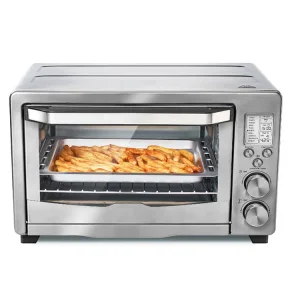
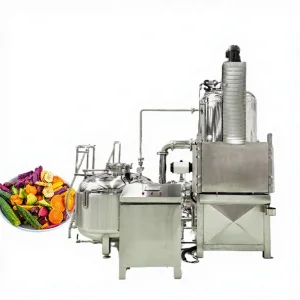
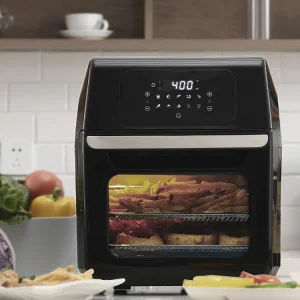
Explore our full line of commercial-grade and household convection products, engineered for global exports.
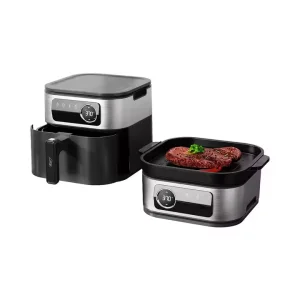
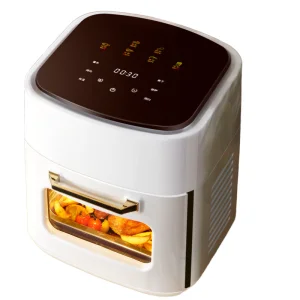
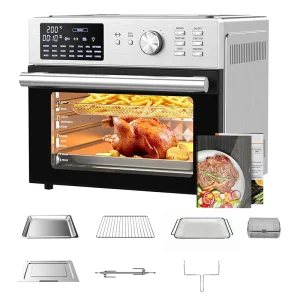


Streamlining shipping from Dongguan factories to the Port of Mombasa and Inland ICDs.
For high-volume retail distributors in Kenya, logistics cost management directly impacts retail price positioning. Shipments originating from our manufacturing center in Dongguan are routed through Shenzhen or Guangzhou ports, providing access to major direct ocean routes servicing East Africa. The shipping transit time from Chinese ports to the Port of Mombasa typically ranges from 22 to 30 days depending on the carrier and season.
To optimize shipping costs, our engineering department designs secondary packaging (gift boxes and master cartons) based on standard container configurations (20GP, 40GP, and 40HQ). By minimizing empty spaces within the cartons, we increase container loading capacity, which reduces the per-unit shipping cost. Once the cargo lands in Mombasa, it can be transported via the Standard Gauge Railway (SGR) to the Inland Container Depot (ICD) in Embakasi, Nairobi, facilitating fast regional distribution.
Every commercial consignment of electrical appliances imported into Kenya requires a Certificate of Conformity (CoC) under the Pre-Export Verification of Conformity (PVoC) program. Importing kitchenware without a CoC will result in customs clearance delays, fines by the Kenya Revenue Authority (KRA), and mandatory local testing at the importer's expense.
Dongguan Beezz Fryer Co., Ltd. coordinates closely with authorized international inspection bodies (such as SGS, Bureau Veritas, and Intertek) to ensure that all models meet Kenyan electrical safety standards. We provide complete testing documentation, including IEC safety certifications, electromagnetic compatibility (EMC) testing, and RoHS chemical reports, ensuring a smooth customs clearance process upon arrival in Kenya.
Key information regarding imports, technical configurations, warranty structures, and wholesale parameters for the East African market.
Ready to optimize your East African kitchen appliance line?
Send Inquiry Now